All About Bed Bugs: Understanding Heat Treatment for Effective Elimination
Bed bugs are well known for their capacity to infiltrate homes and disturb daily life. Recognizing their habits and the indicators of an infestation is essential for homeowners. Among various eradication methods, heat treatment stands out as a powerful, chemical-free solution. It successfully addresses every life stage of these insects. Adequate preparation is fundamental to its results, yet numerous individuals skip critical steps before the process. Investigating these elements can provide greater insight into how to tackle this stubborn concern.
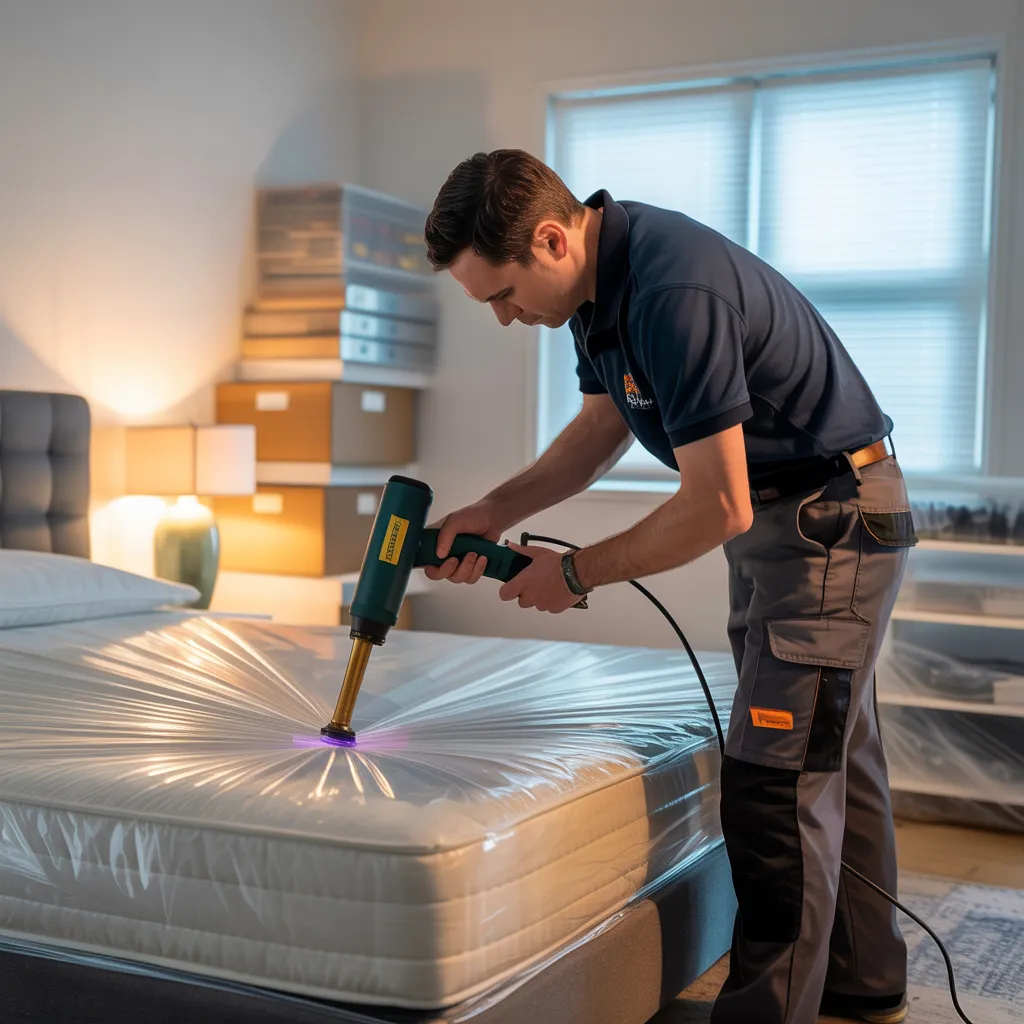
Understanding Bed Bugs and How They Infest Your Home?
Bed bugs, tiny night-dwelling insects belonging to the Cimex species group, have become notorious for their ability to infiltrate residences and disturb daily life. These pests are adept at hitching rides on luggage, clothing, and furnishings, establishing them as frequent hitchhikers across metropolitan areas. After gaining entry, these pests commonly seek shelter in small gaps and tight spaces, especially near sleeping areas and cushioned furnishings, where they can remain hidden during the day.
Their reproductive capabilities enhance their infestation potential; females can lay hundreds of eggs in their lifetime, resulting in swift population expansion. Bed bugs flourish in warm, dimly lit spaces, allowing them to stay close to their primary food source—human blood. Their stealthy behavior and resilience make early detection challenging, often resulting in widespread infestations before homeowners realize the problem. Recognizing their patterns is vital for implementing effective prevention and treatment methods.
Bed Bug Infestation Warning Signs: What to Look For
Identifying a bed bug infestation early is vital for effective management. Residents should be vigilant for specific signs indicating their presence. Frequent indicators consist of dark, reddish-brown stains on bedding or furniture, which are excrement left by the insects. Additionally, shed exoskeletons, often found near hiding spots, signify that bed bugs are maturing.
Bites on the skin, commonly in clusters or lines, may occur as bed bugs are active during nighttime hours. These marks can lead to irritation or itching, prompting further investigation. A distinctive musty scent can also emanate from affected areas, stemming from secretions produced by bed bugs.
Checking mattress seams, headboard surfaces, and in cracks of furniture is essential, as these spots are commonly favored for concealment. Prompt identification ensures prompt treatment, preventing a full-blown infestation that may result in significant remediation work.
Understanding How Heat Treatment Eliminates Bed Bugs
Effective management of a bed bug infestation requires understanding the approaches available for elimination. Thermal treatment stands as a broadly accepted method, employing high temperatures to eradicate these pests. The procedure involves raising the temperature of affected spaces to between 120°F and 140°F, effectively penetrating walls, furniture, and other hiding spots where bed bugs harbor.
Bed bugs are highly susceptible to heat; temperatures exceeding 113°F sustained for only 90 minutes are lethal at every life stage. This method also targets eggs, which are notoriously resilient. During heat treatment, specialized equipment is used to guarantee even heat distribution, preventing cold spots where bed bugs might survive.
In addition, heat treatment is free from harsh chemicals, making it an eco-friendly solution for pest control. By interfering with the bed bugs' natural biological functions, heat treatment not only eliminates active infestations but also helps in preventing recurring infestations.
Why Heat Treatment Is the Best Solution for Bed Bugs
Heat treatment is recognized as the premier solution for bed bug eradication due to its ability to target and destroy pests at every life stage, including eggs. In contrast to chemical treatments, which can fail to eliminate all bugs, heat infiltrates furniture, cracks, and crevices, guaranteeing thorough coverage. This method works by elevating the temperature of the affected area to a deadly threshold, typically between 120°F and 140°F, efficiently eliminating bed bugs upon contact. This approach removes the necessity for multiple treatments, reducing the chances of resistance development. Additionally, heat treatment is environmentally friendly, because it limits exposure to harmful chemicals. Its rapid results present an added advantage; nearly all treatments wrap up in just one day, permitting a speedy restoration of routine. Overall, heat treatment's thoroughness, efficiency, and safety make it a preferred choice for property owners looking for dependable bed bug control.
What to Do Before Bed Bug Heat Treatment
Planning for bed bug heat treatment demands meticulous planning to ensure the process is carried out properly. Property owners should begin by decluttering the affected areas, removing items that may obstruct heat penetration. Every piece of clothing, bedding, and personal items should be cleaned in hot water and dried at high temperatures to remove any remaining bed bugs. It is essential to vacuum thoroughly, paying close attention to cracks and crevices where bed bugs might hide.
In addition, pets need to be taken out during the treatment process, and plants ought to be relocated outdoors to prevent damage from the high temperatures. Electronics, including televisions and computers, should be taken out or protected to safeguard them against heat damage. To conclude, residents should confirm that the treatment area is accessible, permitting technicians to operate without hindrance. Proper preparation not only enhances the effectiveness of the heat treatment but also minimizes the risk of re-infestation.
Common Questions and Answers
Can Bed Bugs Survive Extreme Cold Temperatures?
Bed bugs are unable to withstand extremely cold temperatures. Temperatures below 0°F (-18°C) sustained for several days will effectively destroy all life stages, eggs included, guaranteeing the complete elimination of these pests from affected areas.
How Long Does Heat Treatment Normally Last?
Heat treatment usually needs approximately six to eight hours to thoroughly eliminate bed bugs. The time frame may differ depending on the extent of the infestation and the particular techniques used by professionals throughout the treatment.
Do Any Health Risks Exist When It Comes to Heat Treatment?
There are minimal health risks associated with heat treatment for bed bugs. Safety is guaranteed when the process is carried out properly, but individuals with respiratory issues or sensitivities may experience temporary discomfort. Working with qualified professionals can reduce possible risks and concerns.
Is My Furniture or Belongings at Risk of Damage from Heat Treatment?
Thermal treatment can potentially damage some furniture and personal belongings, especially belongings that are susceptible to high heat. You should relocate or shield vulnerable items before the treatment begins to limit the potential for heat-related harm.
How Frequently Should I Check for Bed Bugs Following Treatment?
Once treatment is complete, bed bug inspections should occur monthly for at least six months. Consistent monitoring read the facts make it possible to identify any signs of resurgence early, ensuring effective management and preserving a pest-free setting for residents.